How Do Professionals Perform Water Remediation Safely Today?
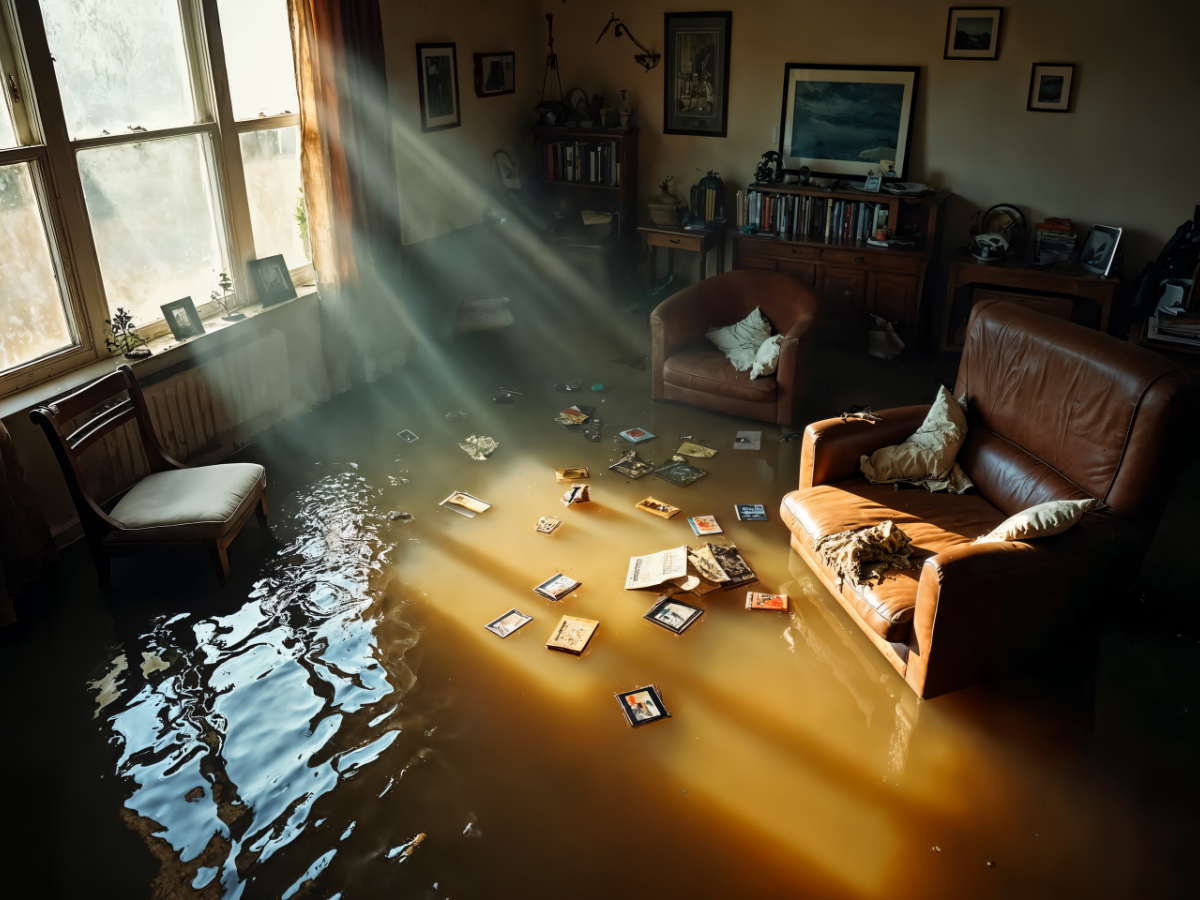
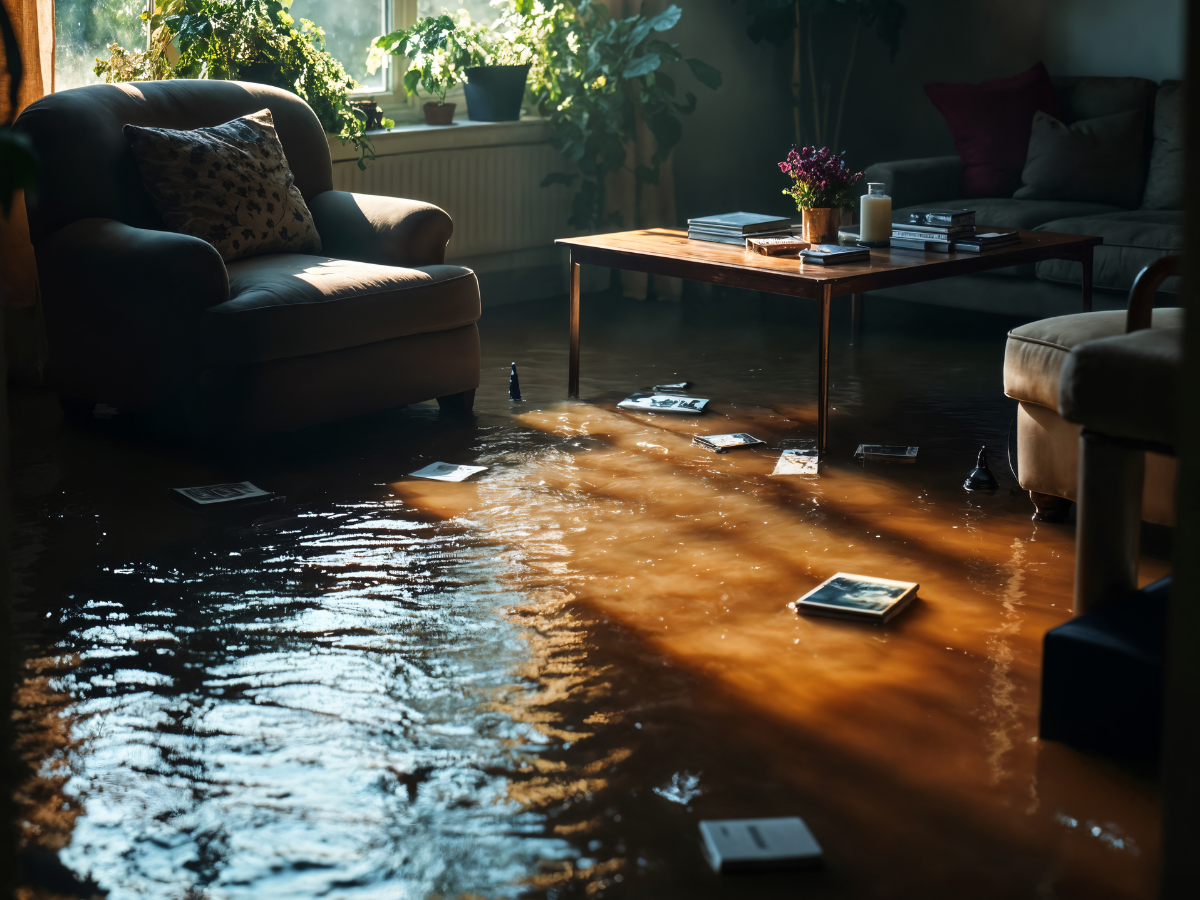
Water remediation is a critical part of the water restoration process, especially after floods, pipe bursts, or leaks. Proper remediation protects homes and businesses from structural damage, mold growth, and long-term health risks that can compromise safety and property value. Professionals use a combination of advanced moisture detection tools, industrial-grade extraction equipment, and controlled drying techniques to ensure every affected area is thoroughly remediated.
Following strict safety protocols, these experts not only remove visible water but also detect and address hidden moisture behind walls, under floors, and in insulation. By combining the latest technology with proven water process methods, Minuteman Restoration minimizes the risk of mold, microbial growth, and further structural deterioration, delivering a safe, fully restored property for homeowners and businesses alike.
Understanding Water Remediation and Its Importance
Professional process of removing water and moisture from a property while prioritizing the safety of both occupants and workers. Unlike simple water cleanup, professional remediation goes beyond removing visible water; it addresses hidden moisture, contamination risks, structural weaknesses, and potential long-term damage. This makes it a critical component of the overall water restoration process for homes and businesses.
Why safety and professional expertise matter:
- Contaminated water hazards: Water from floods, sewage backups, or storm damage can contain bacteria, viruses, chemicals, and other harmful microorganisms that pose serious health risks.
- Structural concerns: Standing water can weaken floors, walls, ceilings, and support beams, increasing the risk of collapse or costly repairs.
- Mold and microbial growth: Improper or incomplete drying creates ideal conditions for mold growth, which can spread rapidly and cause respiratory issues and property damage.
- Electrical dangers: Water intrusion can come into contact with electrical systems, creating a risk of electrocution or fire if not handled safely.
Professionals follow a strict, step-by-step water restoration process to assess damage, extract water efficiently, dry affected areas completely, and sanitize surfaces. By combining advanced equipment such as industrial dehumidifiers, moisture meters, and infrared cameras with proven remediation techniques, ensures that both residential and commercial properties are restored safely, thoroughly, and efficiently. This comprehensive approach not only mitigates immediate risks but also prevents long-term structural issues, reduces the likelihood of mold outbreaks, and restores properties to safe, habitable conditions for families and businesses alike.
Step 1: Rapid Response and Damage Assessment
The first step in professional remediation is a rapid response. Time is critical to minimize damage. The team responds within 24 hours to evaluate the situation.
During assessment:
- Identify the water source: Burst pipe, storm, or appliance failure.
- Classify the water: Clean, gray, or black water determines safety precautions.
- Measure moisture levels: Moisture meters and infrared cameras detect hidden water.
- Plan the remediation strategy: Prioritizes safety and efficiency.
By conducting a thorough evaluation, technicians prevent unnecessary exposure to hazards and create a clear plan for restoration.
Step 2: Safe Water Extraction
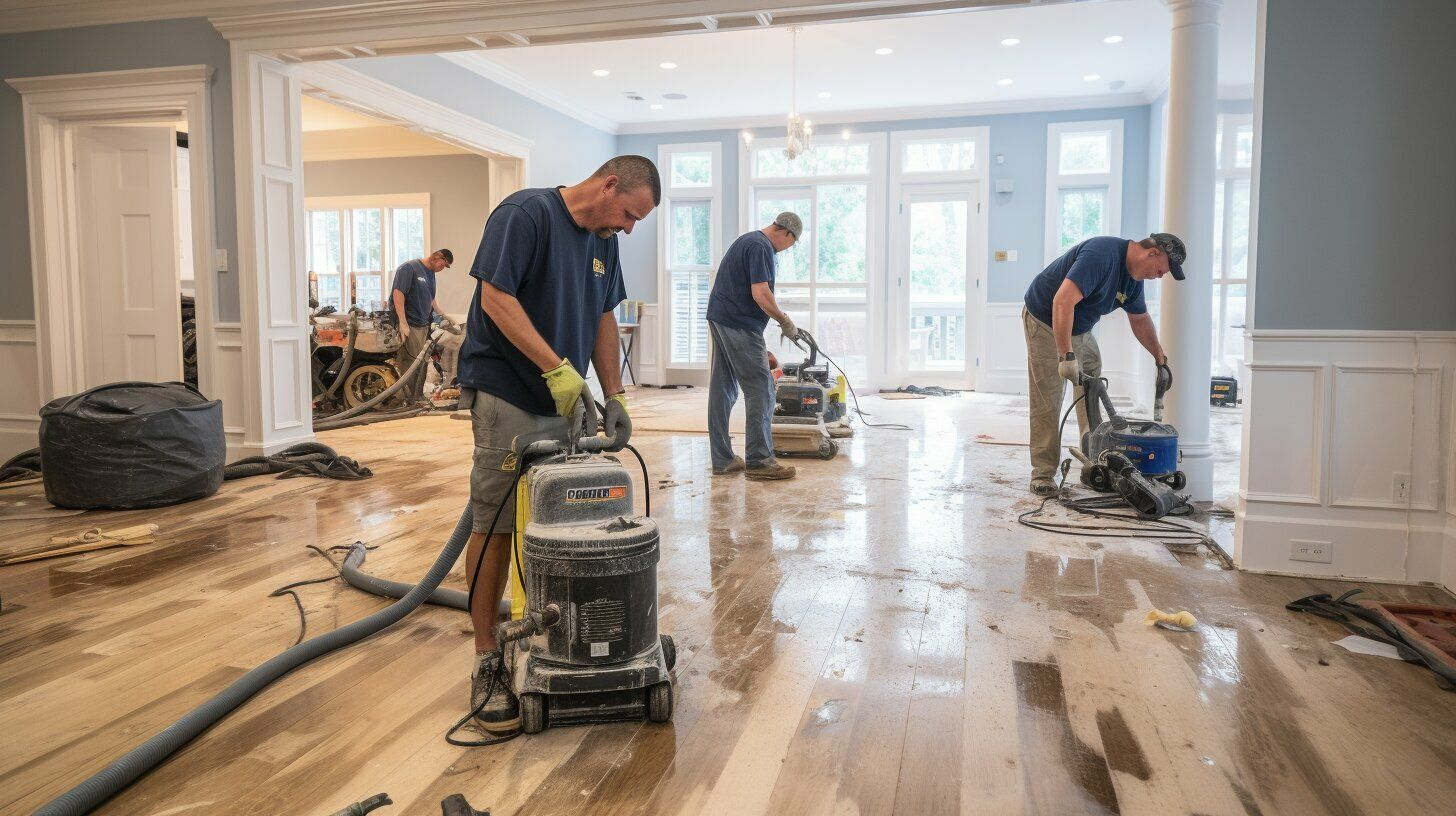
After assessment, professionals begin water extraction. Standing water is removed using industrial-grade pumps, wet/dry vacuums, and submersible equipment.
Key safety practices include:
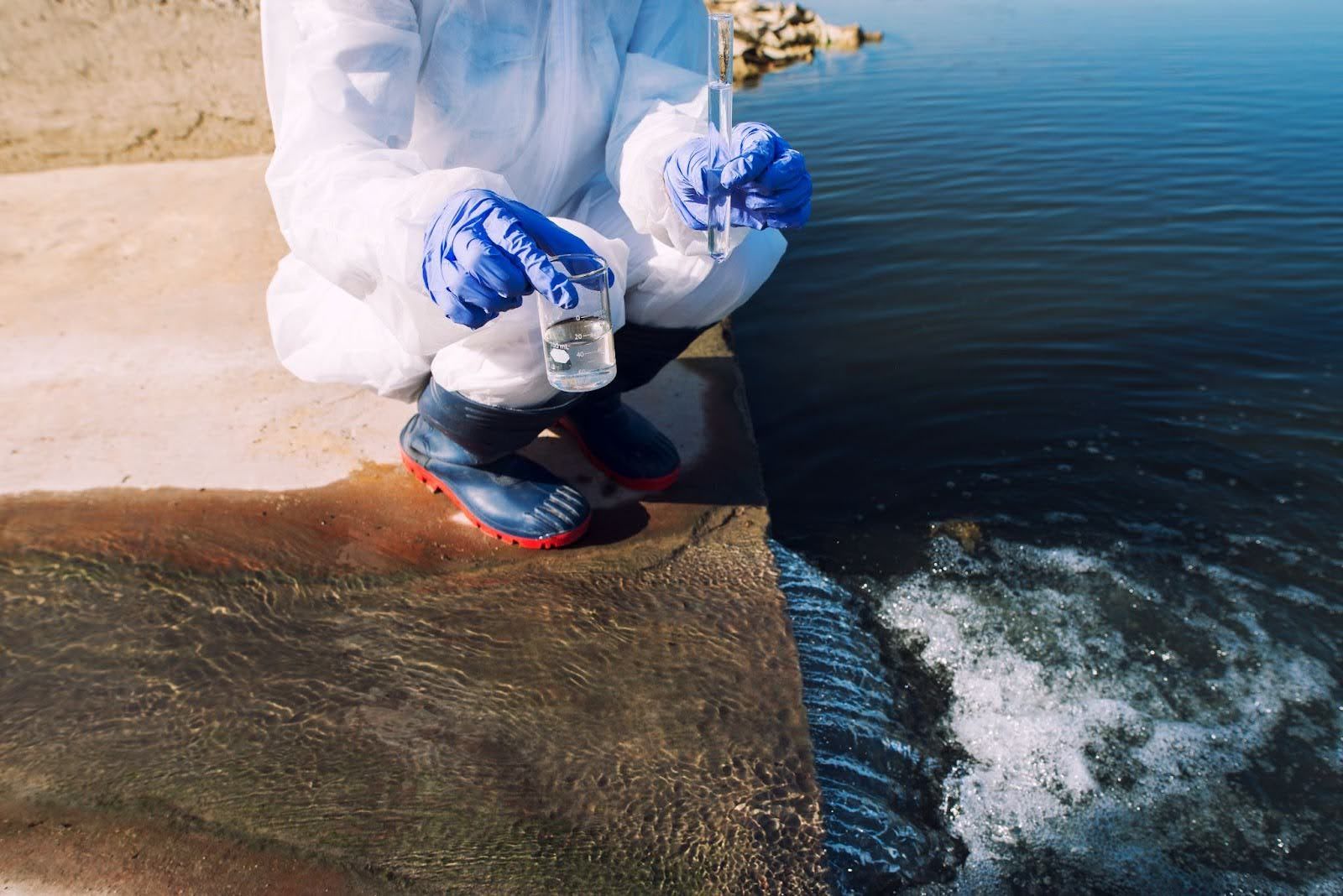
- Wearing personal protective equipment (PPE) like gloves, boots, and respirators.
- Avoiding electrical hazards by shutting off circuits in affected areas.
- Containing contaminated water to prevent cross-contamination.
Fast extraction prevents further absorption into flooring and walls, reducing the risk of structural damage and mold.
Step 3: Controlled Drying and Dehumidification
Even after visible water is removed, hidden moisture can remain inside walls, floors, and insulation. Professionals use air movers and industrial dehumidifiers to dry the property completely.
Advanced techniques include:
- Smart moisture sensors to monitor drying progress.
- Infrared imaging to detect water behind walls or under floors.
- Daily moisture readings to ensure materials are completely dry.
This controlled approach prevents mold growth, reduces odor, and ensures the property is fully safe for occupants.
Step 4: Cleaning and Sanitization
A remediation is not complete without thorough cleaning and sanitization. This step removes contaminants and prevents health hazards.
- Disinfecting surfaces: All affected surfaces are treated with EPA-approved antimicrobial solutions.
- Air filtration: HEPA air scrubbers remove airborne particles and improve indoor air quality
.
- Contents restoration: Furniture, carpets, and personal items are cleaned or removed if contaminated.
For gray or black water, containment and sanitization protocols are stricter to protect workers and residents.
Step 5: Structural Repairs and Reconstruction
After water removal and cleaning, reconstruction may be necessary. This includes replacing drywall, flooring, and insulation, as well as reinforcing structural elements.
Specializes in full-service reconstruction, ensuring:
- Repairs meet local building codes in Dumfries, VA.
- Safety checks confirm that structures are sound.
- Properties are returned to a safe and habitable state.
Safety Protocols Professionals Follow
Professional remediation is a highly controlled process that follows strict safety protocols to protect both workers and property occupants. These protocols are an integral part of the complete water process, ensuring every project is handled efficiently, safely, and in compliance with industry standards.
Key safety protocols include:
- Personal Protective Equipment (PPE): Technicians wear gloves, respirators, protective suits, and eye protection to guard against contaminants, bacteria, and chemical exposure. PPE is essential when dealing with gray or black water from floods, sewage backups, or storm damage.
- Electrical and Structural Safety: Before starting any remediation work, power is safely disconnected in affected areas, and structural assessments are performed. Unstable floors, ceilings, or walls are reinforced to prevent collapse, protecting both workers and occupants.
- Contamination Handling: When black water (heavily contaminated water) is present, it is isolated to prevent cross-contamination. Affected materials are carefully removed, sanitized, or disposed of according to local regulations, and antimicrobial treatments are applied to prevent microbial growth.
- Advanced Monitoring and Moisture Tracking: Professionals use moisture meters, infrared cameras, and hygrometers to detect hidden water and ensure proper drying. Tracking moisture levels helps prevent mold growth and ensures the property is fully restored.
- Documentation for Insurance: Detailed documentation, including photos, moisture readings, and remediation logs, supports insurance claims and provides transparency throughout the water process. This helps homeowners and businesses recover costs while ensuring the work meets industry standards.
By adhering to these safety protocols, effective and safe remediation, protecting both property and health. These measures not only reduce immediate risks but also minimize long-term damage, providing peace of mind to homeowners and business owners in Dumfries and surrounding areas.
Frequently Asked Questions
1. How long does professional remediation take?
Most remediation projects take 3–7 days depending on damage severity and drying requirements.
2. Can homeowners perform remediation themselves?
DIY methods are often insufficient. Professionals use advanced tools and protocols to address hidden water and prevent mold growth.
3. Does insurance cover remediation?
Many homeowner policies cover sudden water damage. Proper documentation by professionals ensures smooth claims.
4. Is mold removal included in remediation?
Yes, remediation often involves antimicrobial treatment and mold prevention. Severe mold may require specialized remediation.
5. What tools do professionals use for remediation?
Moisture meters, infrared cameras, air movers, industrial dehumidifiers, and HEPA air scrubbers are standard.
Professional Water Remediation for Safe, Complete Restoration
Safe water remediation is a multi-step, technology-driven process designed to protect property, health, and long-term structural integrity. From initial assessment and water extraction to controlled drying, thorough sanitization, and any necessary reconstruction, trained professionals ensure every step of the water restoration process is performed safely, efficiently, and according to industry standards. Proper remediation not only removes standing water but also addresses hidden moisture, prevents mold growth, and safeguards electrical and structural systems, reducing the risk of future damage.
Choosing professional services
Minuteman Restoration ensures that every step of the is executed with precision, protecting your investment and maintaining a safe environment.